Small Senior Care Homes: A Better Suitable For Personalized Respite and Long-Term Care
Business Name: BeeHive Homes of Pagosa Springs
Address: 662 Park Ave, Pagosa Springs, CO 81147
Phone: (970-444-5515)
BeeHive Homes of Pagosa Springs
Beehive Homes of Pagosa Springs assisted living care is ideal for those who value their independence but require help with some of the activities of daily living. Residents enjoy 24-hour support, private bedrooms with baths, medication monitoring, home-cooked meals, housekeeping and laundry services, social activities and outings, and daily physical and mental exercise opportunities. Beehive Homes memory care services accommodates the growing number of seniors affected by memory loss and dementia. Beehive Homes offers respite (short-term) care for your loved one should the need arise. Whether help is needed after a surgery or illness, for vacation coverage, or just a break from the routine, respite care provides you peace of mind for any length of stay.
662 Park Ave, Pagosa Springs, CO 81147
Business Hours
When households start looking at senior care, they typically imagine big assisted living communities, with long corridors, multiple dining rooms, and an events calendar that looks like a cruise liner schedule. Those settings work well for many older grownups. Yet families typically inform me, after a few months, that something is missing: heat, connection, or a sense that staff really know their parent as an individual and not as "the fall threat in room 214."
That gap is where small senior care homes, likewise called residential care homes or board-and-care homes in numerous states, quietly excel. They are not as heavily marketed, and they hardly ever have marble lobbies, however they can provide exactly what the majority of people say they desire for their aging parents: genuine relationships, flexible support, and a living environment that seems like a common home.
This matters both for long-lasting senior care and for short-term stays such as respite care, when a household caregiver requires a break, has surgical treatment, or deals with a temporary crisis. The fit between an older adult and the care environment during those periods can make the distinction between steady improvement and rapid decline.
What follows reflects years of combined observation of households, locals, and caretakers in both settings, big and small. No single model is widely better, however the strengths of small homes are underused merely because individuals do not understand they exist or do not know how to evaluate them.
What is a small senior care home?
Most small senior care homes are precisely what they sound like: common houses in residential neighborhoods, converted to supply 24/7 elderly care. Depending upon regional policies, they typically serve in between 4 and 10 homeowners. There is a kitchen area where real cooking takes place, a living room with familiar furniture, a backyard or patio, and bedrooms that may be personal or shared.
They usually fall under state licensing classifications that may be named assisted living, residential care, personal care home, or something comparable. The particular label varies by state, however functionally they being in the same general area as assisted living, not as competent nursing facilities. They offer assist with activities of daily living such as bathing, dressing, toileting, mobility, and medication reminders. The majority of do not provide intensive medical treatments that need a certified nurse around the clock.
A typical staffing pattern may be one caregiver for every 3 to 5 locals during the day, and one awake caretaker in the evening for the whole home. The real ratio differs, but it is generally far better than the ratios in bigger neighborhoods or nursing homes, where one aide may be appointed to 10, 15, or perhaps more citizens per shift.
Because of the small size, routines feel a lot more like domesticity. Breakfast does not need a journey to a big dining room. If someone sleeps late, staff can change. If a resident dislikes oatmeal and loves eggs, that preference actually sticks in staff's minds.
Why families start looking beyond huge assisted living communities
Most families begin their search with the big names. They are visible, have marketing groups, and sponsor events. There is absolutely nothing incorrect with that. A number of those communities deliver safe, competent senior care.
However, a number of patterns tend to drive families to consider smaller settings after they have actually already tried larger assisted living facilities.
One situation includes cognitive decrease. A resident with early or moderate dementia moves into a big structure. The very first weeks go well. Then the household notices their parent starting to separate, avoiding activities, or getting lost en route back to their room. Personnel, extended thin, can not always escort them, and other residents reoccur. The environment feels overwhelming. In a small senior care home, that very same individual may have just a handful of faces to remember, and no long corridors to navigate.
Another typical trigger is inconsistent personnel. In bigger centers, turnover is high. Families typically grumble that the caregiver who understood their mother's morning regular suddenly vanishes from the schedule, and the replacement does not know how to coax her into the shower without a fight. In a home with six locals and a stable team of 3 or four caregivers, continuity is far much easier to maintain.
There are also character fits. Some older grownups grow in environments buzzing with activities, large group meals, and regular visitors. Others invested their whole lives in small families and prefer quiet, foreseeable days. For them, a three-story building with a hundred homeowners feels like an airport. A residential care home, tucked into an area, might match their sense of scale.
Why small homes can be ideal for respite care
Respite care is often a family's first test drive of formal elderly care. A partner or adult kid caregiver reaches a limit, physically or emotionally, and needs a break. Or they must travel for work, or recover from their own surgical treatment. The aging parent requires a safe, encouraging location for one to six weeks.
Large assisted living facilities do supply respite care, generally using supplied "respite suites." The resident takes part in regular activities and meals. This works best for fairly independent older adults who enjoy social interaction and can adapt quickly.
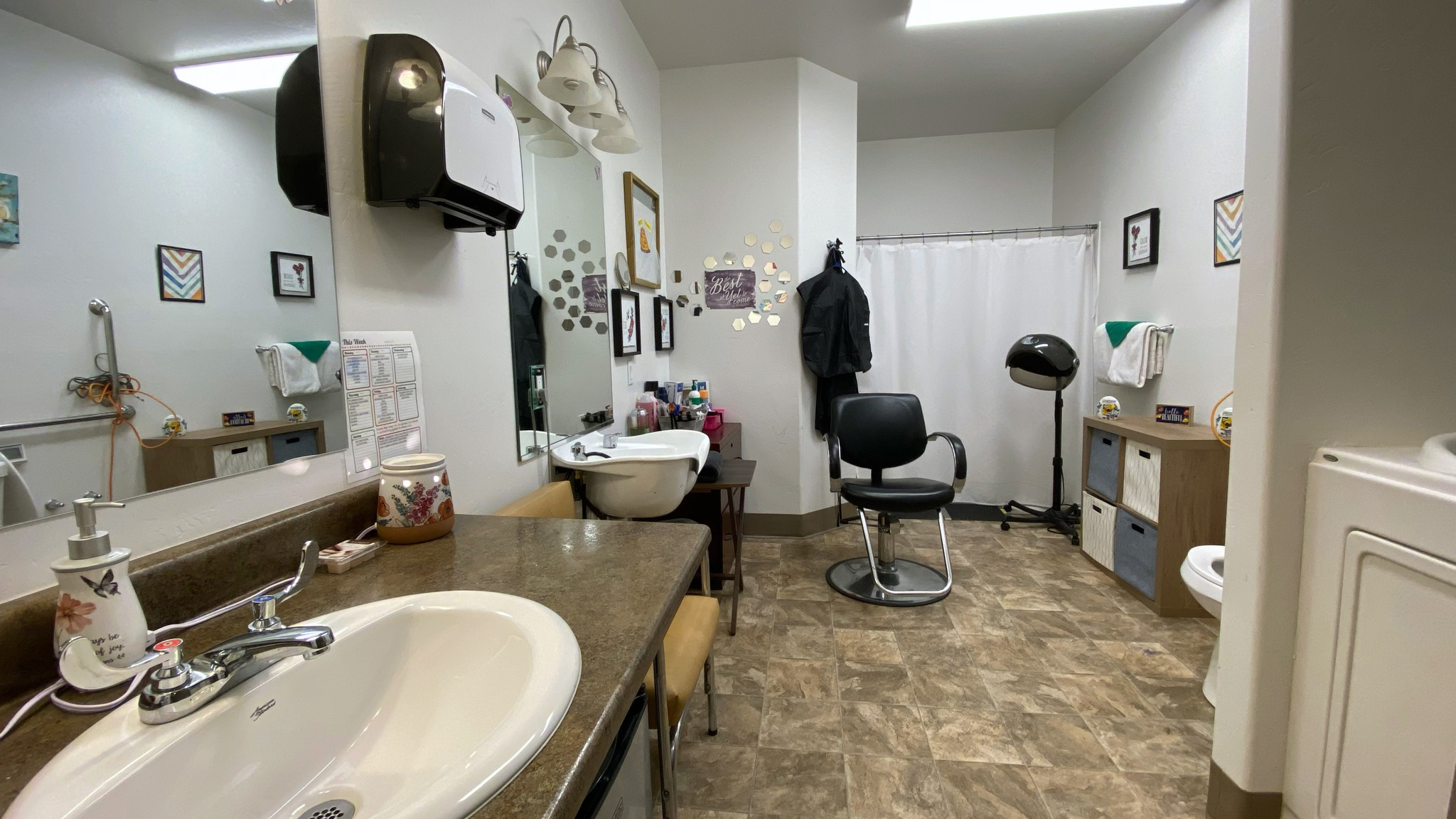
Small senior care homes, in my experience, shine when the care receiver is frail, nervous, or has moderate dementia. The transition into respite care is much shorter. The list of new people to find out is restricted. There is normally no requirement to remember a brand-new layout. The gives off cooking and the noises of a television in the living room feel familiar, not institutional.
Respite stays in small homes can likewise be more flexible. Families sometimes require just a vacation or a stretch of 9 or 10 days that does not conform to a standard regular monthly billing cycle. A small home, with an open space, may want to exercise daily or weekly rates, particularly if they see potential for a longer relationship later.
One of the most important, underrated advantages of utilizing a small home for respite care is what it exposes. Caregivers can see how their parent does when toileting reminders originated from someone else, or when medication times are more stringent. They can observe how rapidly their loved one kinds bonds with brand-new caregivers. If a future long-lasting relocation is likely, these short stays make it far less disruptive.
How personalized care truly looks in a small home
The phrase "individualized care" is overused in marketing, yet you can inform very quickly whether a setting measures up to it. In a small senior care home, customization shows up in small, particular manner ins which build up over time.
Breakfast is a fine example. In big assisted living facilities, breakfast hours might be 7 to 9 a.m. Citizens line up or are seated in shifts. Menus are set. If someone arrives at 9:10, the kitchen may currently be cleaning up. In a small home, you frequently see caregivers making toast at 9:45 due to the fact that one resident always oversleeps, or reheating oatmeal due to the fact that someone chose they were hungry again.
Bathing and health follow the very same pattern. Some residents endure showers just in the afternoon, not very first thing in the morning when their joints are stiff. Others choose a sponge bath most days and a full shower twice weekly. When personnel look after 6 individuals instead of sixty, they can remember those patterns instead of requiring everyone into one routine.
Medication management likewise tends to be more versatile. While dosages and times are prescribed, the method pointers are provided can be tailored. One resident reacts well to a mild spoken cue, another likes her pills presented with a particular beverage. With less disruptions, caregivers can stay with someone who is reluctant or refuses medication, rather than leaving because they have twelve more homeowners to see before 10 a.m.
Even the emotional landscape is different. In small homes, caretakers see and respond to mood shifts in real time. If a resident looks withdrawn, they can sit down at the cooking area table and ask about it without stressing that other citizens will be left ignored. That responsiveness is what typically prevents small problems, such as mild dehydration or irregularity, from escalating into emergency room visits.
Comparing small homes and larger assisted living communities
Families often request for a simple verdict: which is much better, a small residential care home or a larger assisted living neighborhood? The honest answer is that it depends upon the person and the circumstance. That said, some distinctions appear consistently.
Here is a brief comparison that can help arrange your thinking:
- Environment: Small homes feel like real houses, with shared areas that resemble a household living-room and kitchen area. Large assisted living neighborhoods feel more like apartment or hotels, with private houses and main dining.
- Social life: Big neighborhoods provide more structured activities, outings, and opportunities to meet many peers. Small homes offer less group events however more intimate, daily social contact with the same people.
- Staff interaction: In small homes, caretakers frequently understand each resident deeply, but there are less specialists such as activity directors. In larger settings, the group is bigger and more specialized, but private aides may rotate often in between residents.
- Cost structure: Large facilities in some cases market lower base rates, then include separate charges for greater care levels. Small homes frequently price quote a more inclusive month-to-month charge that packages most care tasks into a single rate, though this varies.
- Medical intricacy: For locals with extremely intricate medical needs, an experienced nursing center may be more appropriate than either a small home or basic assisted living. Some larger communities have much better access to on-site clinicians, while some small homes partner carefully with home health agencies or visiting nurse services.
That list reflects typical patterns. There are exceptional large communities that feel warm and individual, and there are small homes that stop working at the basics. The point is to comprehend where each model tends to excel so that your trips and concerns are more focused.
When a small home is especially helpful
Certain scenarios tend to benefit disproportionately from the scale and intimacy of a small residential care home.
Older grownups with mid-stage dementia often react very well. Less individuals, less sound, and predictable regimens decrease confusion and agitation. When someone starts to "sunset" in the late afternoon, personnel can reroute them calmly, perhaps with a cup of tea at the kitchen table, rather than attempting to manage escalating behaviors in a corridor loaded with activity.
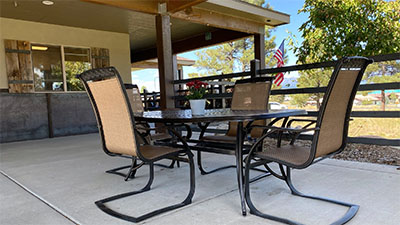
People susceptible to wandering are another group to think about. Many small homes have safe and secure yards or outdoor patios where residents can walk freely without leaving the residential or commercial property. Because there are just a couple of locals, personnel notification if someone heads towards the front door aimlessly. That direct observation can be more efficient than electronic alarms in crowded hallways.
Frailer citizens, who need help with the majority of activities of daily living, tend to be a better fit as well. A caretaker who cares for just 3 or four homeowners can manage to move someone gradually, check that clothing is not twisted, and spend an extra minute getting someone comfy in their preferred chair. Those are the tiny pieces of dignity that bigger settings battle to keep when staff are outnumbered.
Short-term respite look after individuals who are nervous, introverted, or quickly overwhelmed by noise is also smoother in a small home. I have seen quiet, reserved seniors decrease rapidly during a two-week respite remain at a big, noisy facility, then settle and restore cravings in a smaller setting where the overall number of everyday interactions was manageable.
Trade-offs and limitations of small senior care homes
The strengths of small homes do not remove their restrictions. A sensible view assists prevent frustration later.
One compromise includes range. Activities in small homes lean greatly on discussion, tv, simple games, light exercise, and individually engagement. There might not be day-to-day music efficiencies, lecture series, or trips to dining establishments. For residents who are cognitively intact and enjoy a complete social calendar, a small home might feel constraining after the very first few weeks.
Another issue is staffing depth. When a caretaker calls in ill at a large center, there is typically a back-up swimming pool. In a six-bed home, protection might involve the owner or supervisor actioning in. That can work perfectly if leadership is hands-on and committed. In weaker homes, staff tiredness can sneak in if there is no dependable alternative system.
Dietary range can likewise be restricted. Lots of small homes do a wonderful job with standard, home-style meals. Nevertheless, they seldom have the capability to produce custom menus for a number of various diet plans simultaneously. If your parent follows a stringent spiritual, medical, or individual diet plan that deviates respite care beehivehomes.com significantly from basic alternatives, you need to ask in-depth concerns and see how they handle it in practice.
Regulation and oversight vary by state. Some jurisdictions examine small homes with the same rigor as big assisted living neighborhoods. Others use less structured oversight, which puts more obligation on families to veterinarian the home thoroughly. Good small homes accept openness, invite concerns, and are happy to show paperwork. If you feel you are being rushed, or your concerns rejected, treat that as a major warning sign.
Lastly, there is the psychological side. Families often feel regret putting a parent in a setting that is familiar and intimate because it does not look "expensive." They worry relatives will judge them for passing by the structure with the grand lobby. In practice, what older grownups care about every day is convenience, regard, and human contact, not decoration. It assists to keep that viewpoint clear when others start comparing brochures.
How to evaluate a small senior care home
Touring a small senior care home requires a somewhat different frame of mind than touring a big center. Rather of scanning features, you are examining the quality of day-to-day life.
During the visit, pay close attention to the state of mind of your house. Not the marketing spiel, but the feeling in the space. Do locals look tidy, appropriately dressed, and at ease? Are personnel carefully engaged or glued to their phones? Does the tv blare continuously, or does it appear to be on for a purpose?
Trust your nose. Strong odors, either of urine or heavy deodorizing chemicals, typically indicate care issues. A faint smell now and then can take place in any setting, however relentless smells suggest systemic problems.
Listen to how personnel speak with homeowners. Are they utilizing names? Do they crouch or sit at eye level rather than calling from across the space? Small gestures here are necessary. Personalized assisted living and elderly care depend more on tone and method than on furnishings or clever technology.
It is generally handy to have a brief, focused set of questions all set. For many households, these five cover the most crucial ground:
- What is your common staff-to-resident ratio during days, evenings, and nights?
- How do you manage residents whose care requires increase over time?
- Can you explain a recent scenario where a resident decreased or had a medical event, and how your group responded?
- What type of respite care stays do you accept, and how do you shift somebody from respite to long-term care if that becomes necessary?
- How do you keep families notified, particularly if they live out of town?
Ask to see the bathroom setup, shower area, and a minimum of one bed room that is not specially staged. If your parent utilizes a walker or wheelchair, examine whether doorways and hallways are useful, not just technically compliant. Many small homes do a good job adapting, however some older homes have tight corners that make transfers harder.
If possible, visit a second time at a different hour. A home that looks calm at 10 a.m. May be chaotic at 6 p.m. During shift changes and supper preparation. Senior care is a 24-hour organization. You are buying how they deal with all of it, not just the quiet parts.
Cost, contracts, and what to watch for
Families frequently assume that small homes are immediately less expensive. That is not constantly the case. In lots of markets, a well-run residential care home costs roughly the same as mid-range assisted living, in some cases slightly less, often somewhat more.
What differs is how prices is structured. Bigger neighborhoods often quote a low "base rate" that covers real estate, meals, and light assistance, then include tiered costs for higher levels of care: aid with bathing, frequent transfers, specialized dementia care, oxygen management, and so on. The final costs can end up much higher than the preliminary quote once a resident needs substantial assistance.
Small homes more frequently utilize a bundled design, where a single regular monthly charge covers all basic personal care tasks, with different charges only for really intricate needs. This is not universal, however it is common. That predictability helps families prepare much better, especially for long-lasting stays.
Regardless of the model, read the contract thoroughly. Try to find:
Clauses about rate boosts. Lots of companies schedule the right to raise rates each year or when care requires rise. Ask how typically they do so in practice and by what normal percentage.
Discharge requirements. Comprehend what occurs if your parent's condition modifications. At what point would they need a higher level of care, such as a nursing home? Who makes that decision, and just how much notification are you given?
Respite care terms. If you are using respite care first, check minimum stay lengths, deposits, and whether any part is credited if you shift to long-term occupancy.
Refund policies. Life circumstances alter quickly. Make certain you understand how much notice you should offer to prevent extra charges when moving out.
Most households undervalue the length of time they might need support. Assuming two to 5 years of assisted living or residential care is more realistic than presuming a couple of months. Matching the expense structure and contract flexibility to that horizon is as important as evaluating the curb appeal.
Who is not a great fit for a small care home?
While I have seen lots of older adults thrive in small homes, some are poorly served by this model.
Highly social, active seniors with excellent cognition who still drive, manage their own medications, and choose independent living typically discover small homes too confining. They may be better off in a big neighborhood that provides improved social life and more autonomy, or in senior apartment or condos with a la carte services.
Individuals requiring complex treatment provided by licensed nurses around the clock typically belong in skilled nursing or a specialized medical setting. A small home can operate in cooperation with home health or hospice in many cases, however it is not a replacement for a healthcare facility step-down unit.
There can likewise be character mismatches. A resident who is consistently loud, aggressive, or disruptive can overwhelm a small neighborhood of five or 6 people. Good homes screen carefully and are sincere about whether they can preserve a safe and calm environment for everyone present.
Finally, some households worth prestige, on-site features, or brand reputation above intimate care relationships. They might feel more at ease dealing with corporate structures and national policies. For them, a big assisted living chain may feel more predictable, even if the everyday experience is less personal.
Starting the discussion with your family
Shifting a parent from home to any kind of assisted living or elderly care includes grief, guilt, and, frequently, argument among siblings. Bringing a small senior care home into the discussion can really ease some tension by reframing what "placement" looks like.
Instead of saying, "We are moving Mom to a facility," you can say, "We discovered a home with 6 residents, where she will have her own space and somebody to assist her during the night. Let us try a short respite care stay and see how she feels." That softer framing matches the truth of the environment.
If you are the main caregiver, prepare particular examples of where you are struggling: lifting, night-time wandering, medication timing, your own health declining. Compare those needs with what the small home can reasonably supply. Families tend to react much better to concrete details than to general statements such as "I am exhausted."
When visiting potential homes, if possible, include your parent a minimum of once, unless their cognitive status makes that detrimental. Focus on their body movement. Many older grownups warm quickly to small homes since the scale reminds them of familiar life stages.
The sustaining question is constantly whether a setting provides security without removing away personhood. Small senior care homes, when they are well run, hold that balance particularly well. They are not the ideal answer for everyone, yet they should have a location at the top of the list for families seeking deeply individualized respite care and long-lasting assistance in a setting that feels less like a system and more like a home.
BeeHive Homes of Pagosa Springs provides assisted living care
BeeHive Homes of Pagosa Springs provides memory care services
BeeHive Homes of Pagosa Springs provides respite care services
BeeHive Homes of Pagosa Springs supports assistance with bathing and grooming
BeeHive Homes of Pagosa Springs offers private bedrooms with private bathrooms
BeeHive Homes of Pagosa Springs provides medication monitoring and documentation
BeeHive Homes of Pagosa Springs serves dietitian-approved meals
BeeHive Homes of Pagosa Springs provides housekeeping services
BeeHive Homes of Pagosa Springs provides laundry services
BeeHive Homes of Pagosa Springs offers community dining and social engagement activities
BeeHive Homes of Pagosa Springs features life enrichment activities
BeeHive Homes of Pagosa Springs supports personal care assistance during meals and daily routines
BeeHive Homes of Pagosa Springs promotes frequent physical and mental exercise opportunities
BeeHive Homes of Pagosa Springs provides a home-like residential environment
BeeHive Homes of Pagosa Springs creates customized care plans as residents’ needs change
BeeHive Homes of Pagosa Springs assesses individual resident care needs
BeeHive Homes of Pagosa Springs accepts private pay and long-term care insurance
BeeHive Homes of Pagosa Springs assists qualified veterans with Aid and Attendance benefits
BeeHive Homes of Pagosa Springs encourages meaningful resident-to-staff relationships
BeeHive Homes of Pagosa Springs delivers compassionate, attentive senior care focused on dignity and comfort
BeeHive Homes of Pagosa Springs has a phone number of (970-444-5515)
BeeHive Homes of Pagosa Springs has an address of 662 Park Ave, Pagosa Springs, CO 81147
BeeHive Homes of Pagosa Springs has a website https://beehivehomes.com/locations/pagosa-springs/
BeeHive Homes of Pagosa Springs has Google Maps listing https://maps.app.goo.gl/G6UUrXn2KHfc84929
BeeHive Homes of Pagosa Haven Assisted Living has Facebook page https://www.facebook.com/beehivepagosa/
BeeHive Homes of Pagosa Haven Assisted Living has YouTube page https://www.youtube.com/channel/UCNFwLedvRtjtXl2l5QCQj3A
BeeHive Homes of Pagosa Springs won Top Assisted Living Homes 2025
BeeHive Homes of Pagosa Springs earned Best Customer Service Award 2024
BeeHive Homes of Pagosa Springs placed 1st for Senior Living Communities 2025
People Also Ask about BeeHive Homes of Pagosa Springs
How much does assisted living cost at BeeHive Homes of Pagosa Springs?
The monthly cost of assisted living at BeeHive Homes of Pagosa Springs depends on the individual care needs of each resident. Before move-in, we complete a personalized assessment to better understand the level of assistance needed with medications, mobility, personal care, and other daily activities. This helps us recommend an appropriate care plan and provide families with clear information about pricing before making a decision.
Can residents remain at BeeHive Homes as their care needs change?
In many cases, yes. Our goal is to help residents remain in the familiar home and relationships they have grown comfortable with as their needs change. Care plans can be adjusted when additional assistance is appropriate. There may be situations, however, when a resident’s medical or safety needs require a level of skilled nursing or specialized care that cannot be provided within an assisted living setting. Our team works with families to discuss changes and help determine the safest next step.
Is a nurse available at BeeHive Homes of Pagosa Springs?
BeeHive Homes of Pagosa Springs provides caregiver support 24 hours a day and works with consulting nursing support. When additional nursing, therapy, or home health services are medically appropriate, a physician may order qualified outside providers to deliver those services in the home. Families are encouraged to discuss a loved one’s specific medical and care needs with our team during the assessment process.
Can family and friends visit residents at BeeHive Homes of Pagosa Springs?
Absolutely. Staying connected with family and friends is an important part of feeling at home, and loved ones are encouraged to remain involved in residents’ lives. Visiting arrangements should respect each resident’s preferences, routines, meals, and rest periods. Because circumstances and visiting guidelines can occasionally change, families can contact BeeHive Homes of Pagosa Springs directly for the most current visiting information.
Are rooms available for couples at BeeHive Homes of Pagosa Springs?
Couples may be able to live together at BeeHive Homes of Pagosa Springs depending on current room availability and the individual care needs of both residents. We understand how important it can be for spouses to remain together as they age, so we encourage families to contact us to discuss available accommodations and determine what arrangement may work best.
What services are included with assisted living at BeeHive Homes of Pagosa Springs?
Residents enjoy private bedrooms with private bathrooms, home-cooked meals, 24-hour caregiver support, medication assistance, housekeeping and laundry services, help with bathing and other activities of daily living, and opportunities for social activities and daily engagement. The home also offers comfortable shared living spaces and outdoor areas that encourage residents to relax, connect, and enjoy everyday life in a smaller residential setting.
Does BeeHive Homes of Pagosa Springs offer respite care or short-term stays?
Yes. BeeHive Homes of Pagosa Springs offers Respite Care for seniors who need temporary support. A short-term stay may be helpful following an illness or surgery, while a family caregiver travels or takes a needed break, or during another temporary change at home. Respite residents can enjoy a furnished room, home-cooked meals, caregiver support, activities, and companionship during their stay. Availability and individual care needs are reviewed before admission.
How can I schedule a tour of BeeHive Homes of Pagosa Springs?
The best way to understand the BeeHive difference is to experience the home in person. During a tour, families can see our private rooms and shared living spaces, meet members of the team, learn about meals and activities, and ask questions about Assisted Living or Respite Care. Call (970) 444-5515 or request information through our website to schedule a visit to BeeHive Homes of Pagosa Springs at 662 Park Ave., Pagosa Springs, Colorado.
Where is BeeHive Homes of Pagosa Springs located?
BeeHive Homes of Pagosa Springs is conveniently located at 662 Park Ave, Pagosa Springs, CO 81147. You can easily find directions on Google Maps or call at (970-444-5515) Monday through Friday 9:00am to 5:00pm
How can I contact BeeHive Homes of Pagosa Springs?
You can contact BeeHive Homes of Pagosa Springs by phone at: (970-444-5515), visit their website at https://beehivehomes.com/locations/pagosa-springs/, or connect on social media via Facebook or YouTube
Take a drive to the Riff Raff Brewing Company . Riff Raff Brewing Company offers a relaxed dining atmosphere suitable for assisted living, senior care, elderly care, and respite care family meals.